Željko Malnar was a true Croatian legend and a visionary far ahead of his time. In addition to his extraordinary travelogues and innovative thinking, which were often misunderstood by many, he is known for his famous show “Nightmare Stage.” In this show, he humorously brought together “ordinary” people to discuss current issues late into the night, often in a relaxed and informal setting: drunk as pigs, to be honest. While some criticized him for seemingly mocking less intelligent individuals, Malnar’s true intention was to challenge those who considered themselves superior. He was often direct and unfiltered in his responses to viewers who criticized him or the series, retaliating with famously harsh remarks that emphasized his disdain for pretentiousness. He would often say: “F*ck you, why are you even watching this show so late, go get laid!” He was most often criticized by women who were deeply offended by his statements and called him out on how he could even express himself like that, and he was short with them: “You’re probably frustrated and un*ucked, so you’re watching me, the idiot, on TV all night instead of sleeping or making love!” And to be honest, he was right – we all have a choice, and those people weren’t forced to watch his TV show, and the people who called him often found themselves drawn to the truth he spoke so raw and provocatively.
Malnar’s open and sometimes “rude” (I don’t like the word “rude” because I fundamentally disagree with it, words hurt only as much as we give them meaning and as much as we are okay/or not with ourselves) responses to viewers were part of his personality, challenging societal norms and expectations. His ability to provoke thought and stimulate conversation, even if controversial, made him an unforgettable and influential figure. His legacy should inspire those who value authenticity and the courage to speak their minds—he certainly inspired me. As a child watching the show, I was completely unaware of the greatness of Željko Malnar as a man and how much of a Mind he really was.
One of the best books he wrote is “In Search of the Glass City“. This book is a fascinating blend of travelogue, anthropological discussion, utopia, and comparative philosophical study. Published in 1986, it captivates readers from beginning to end. The book follows Malnar and his companion Borna Bebek on their adventurous journey through Turkey, Iran, Indonesia, India, Afghanistan, and Tibet. They explore mystical secrets, parallel worlds, and their own inner selves. The journey includes descending into the caves of Cappadocia, exploring the underworld of the Solomon Islands, uncovering the secrets of the last members of the Kailash tribe, and entering the Glass City with Buddhist monks in Tibet.
The hidden meaning of “In Search of the Glass City” is often interpreted as an allegory of the search for the ideal self or utopia. Malnar and Bebek’s journey symbolizes the search for personal enlightenment and the exploration of inner worlds. The Glass City represents the ideal state, the perfect society, or the personal utopia that each individual strives to achieve. The book deals with philosophical reflections on what it means to seek perfection and how this journey can lead to self-discovery and personal growth. It is a metaphorical exploration of the human condition, encouraging readers to look within themselves and realize their true potential.
Inspired by Malnar’s statements, honesty and heritage, I am convinced that we are born free and with the right to choose, but on this journey of life we forget who we are. The society we have created, which is an illusion, takes away this right to freedom and choice because we allow society to model us daily and govern our choices. We have created a society of established norms of decent behavior and dishonest, insincere people, especially in the West. People are generally unhappy because they suppress what is primal in them – whether you call it instinct, heart, passion or desire.
I believe that living true to yourself is key, even if it means challenging societal expectations. Embracing your true self can be truly liberating, despite it might sometimes conflict with the views or feelings of others. However, it is important to navigate these challenges with empathy and understanding, striving to balance personal authenticity with respect for others.
While respect and love are intertwined, they are distinct. Being false to yourself and others may seem like a way to protect someone in the short term, but in the long run, it can lead to greater harm and distrust especially toward yourself. Being honest, even when it’s difficult, builds a foundation of integrity and true humanity. People deserve respect and unconditional love that embraces the truth, even if the truth hurts.
Additionally, the pressure to conform and please society can lead to a culture where people are not true to themselves or others. While honesty can be challenging and sometimes painful, it ultimately fosters genuine connections and personal freedom. It takes courage to choose the truth over comfort, but doing so can transform relationships and society as a whole. It’s a journey that requires resilience and compassion, both for yourself and for those who might be affected by the truth.
I believe that staying where your heart doesn’t belong is like willingly imprisoning yourself. Suppressing your true feelings to fit into societal norms is like holding back from using the bathroom every day despite feeling like you’re going to explode. This applies to all aspects of life. But we as a society, often driven by things like job loss or so-called “security,” do not do what our hearts tell us, but what we “have to.” Also, the fear of being alone is irrational and unfounded—we are never alone. Never. There is always a person who is by our side and who will help us, and if that person is not there, we always have our own hand which is our greatest help.
Moreover, the fear of being authentic only leads to personal disappointment and failure to fulfill our higher purpose, which is why we are all here. Beside, we often fail to realize that we do not own anyone—not our parents, not our children, not our friends, and not our partners. Betrayal or not meeting someone’s expectations, as we perceive it, is a construct of our minds. The best we can give is who we are and what we feel at that moment.
What truly matters is that our actions reflect the love and sincerity we hold in our hearts. While it is possible that we may inadvertently hurt someone, it is not within our control, nor should we assume the right to govern others’ lives and experiences. Seeking to harm or manipulate someone to keep them close is the height of selfishness and is not an expression of love. This principle applies to our relationships with colleagues, friends, and partners. Love cannot be controlled or forced, and we, as humans, will never attain ultimate harmony and unconditional love if we continue to conform to societal norms that suppress our true selves.
Creating a space where people can be themselves without fear of judgment or pressure is crucial. It can lead to more genuine connections and a more supportive community. We, as humans, tend to complicate things and forget that we are not here forever. We are merely passing through, being part of a greater love. We are here to love and be loved. We are not beings who should fit into societal norms just for others to have more control over us. I believe we are fundamentally good beings, born good, but society pushes us not to think as one. We must finally understand that we are all one and will return to One. Conversely, society encourages us to follow unhealthy patterns of behavior that are not aligned with what we truly are—love.
Finding yourself and being true to yourself is the only thing that can give you the greatest form of freedom you seek – there is no money that can give you that. And remember, all you have is now, because the past is gone, and the future is something no one can guarantee.
And as Malnar would say: “Tko god je shvatio život preozbiljno, taj je u startu popušio!”
English translation: “Whoever takes life too seriously is screwed and lost from the start!”
Because taking life too seriously can cause you to miss out on the joy, spontaneity, and freedom that come from a more balanced and less rigid approach – an approach that is more honest with who we really are.
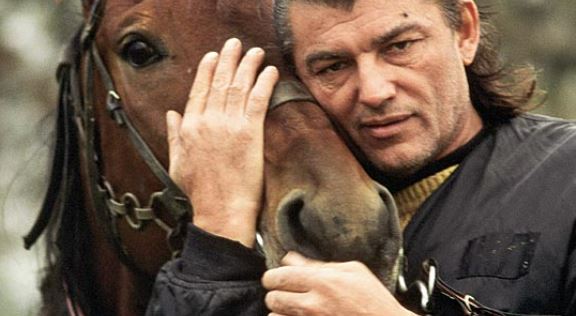


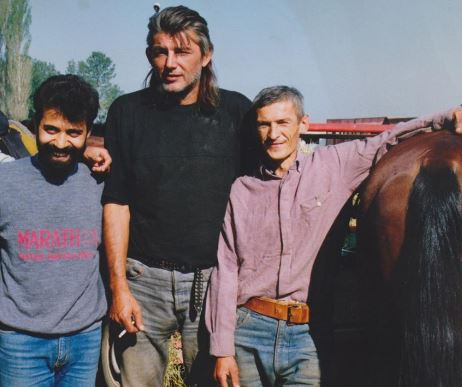
Unfortunately, Željko Malnar is no longer with us, nor Ševa (Ševica) who were the good spirits of Zagreb, Croatia and we, Purgeri, loved them so much. Thank you for those memories.
I believe They are all in a better place now.
Love,
Petra x